
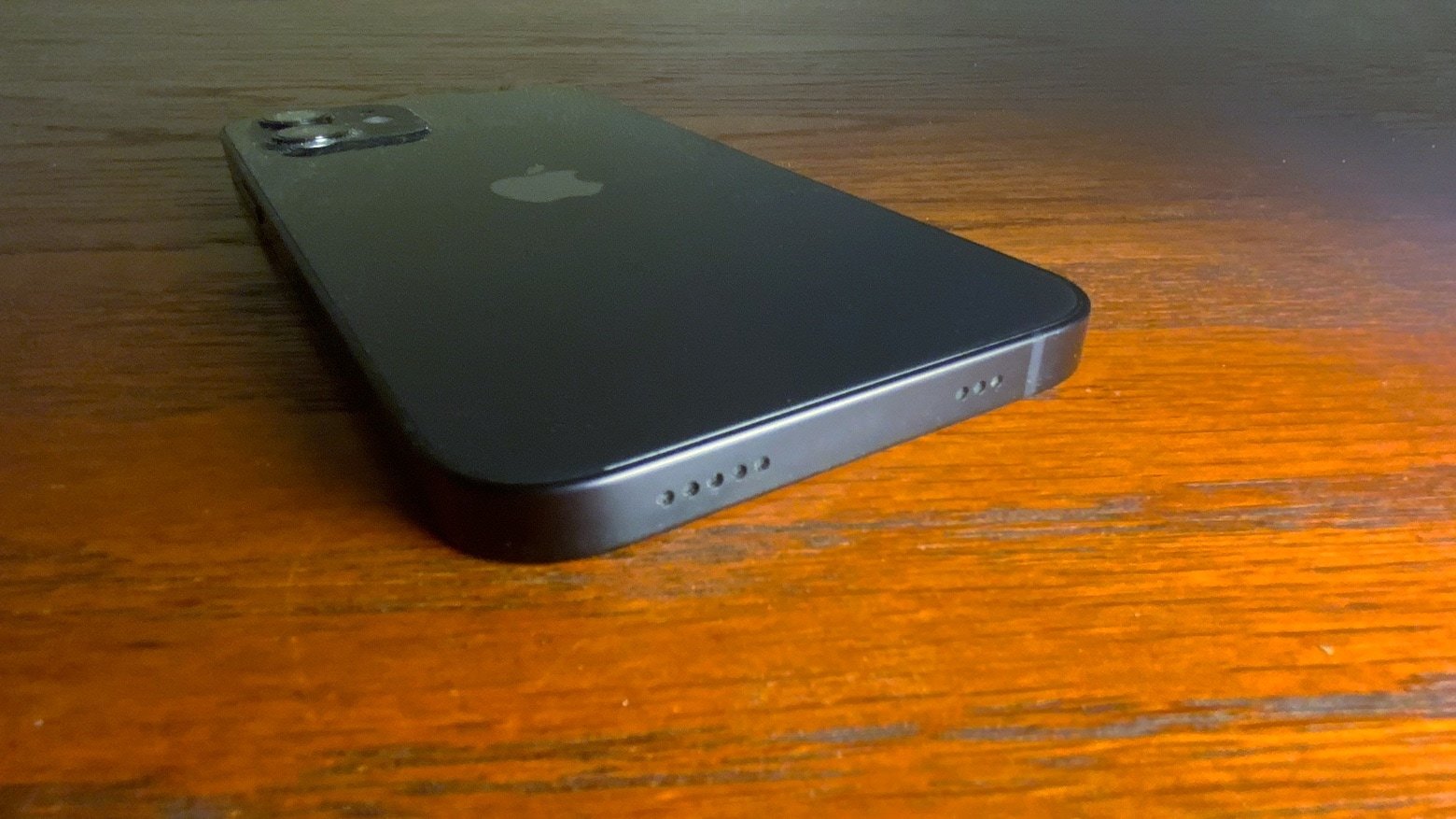
Apple is always innovating, and its next release, the iPhone 17 Air, promises to be the thinnest smartphone the company has ever made. So thin, in fact, that the charging port almost wouldn’t fit. Rumours suggest the company even considered removing the charging port altogether but backed out due to concerns about clashing with European Union (EU) legislation. However, a new revelation suggests that Apple could, in fact, launch an iPhone without a charging port in Europe. Let’s break down how this could happen!
The European Union and Charger Standardisation
The European Union (EU) has been a major driver of change in the tech world, especially when it comes to reducing electronic waste. In 2022, the bloc passed a law requiring all electronic devices sold in the region to have a USB-C port. The goal was to eliminate the confusion of different cables and chargers, which created waste and frustration for consumers.
Apple, which already used USB-C in its Macs and iPads, initially resisted the change for iPhones, which still relied on the Lightning port. However, the deadline for the transition ended in January 2025, and the company has already adapted its latest models to the European standard. Now, all iPhones sold in the EU come with a USB-C port.
The iPhone 17 Air and the Possibility of Fully Wireless Charging
According to Bloomberg columnist and Apple expert Mark Gurman, the company considered removing the charging port entirely from the iPhone 17 Air. The idea was to focus on wireless charging and cloud-based data syncing. However, Apple reportedly backed out due to concerns about clashing with EU legislation.
But is this really a dealbreaker? The website 9to5Mac reached out to the European Commission and discovered that current legislation does not prohibit the absence of a charging port. In other words, if the iPhone doesn’t have a port, there are no rules stopping its sale in the EU.
What Does the European Commission Say?
European Commission press officer Federica Miccoli explained to 9to5Mac:
“ Yes. Since, such radio equipment cannot be recharged via wired charging, it does not need to incorporate the harmonised (wired) charging solution.”
This means that if a device doesn’t have a charging port, the law doesn’t apply. However, if there is a port, it must be USB-C. Additionally, the European Commission is already planning to standardise wireless charging in the future to avoid similar issues with energy waste.
The Future of the Portless iPhone
With this confirmation, Apple has the green light it needs to produce a portless iPhone in Europe. However, it’s unlikely that the iPhone 17 Air will be the first model to adopt this change, as it’s probably already in advanced development. But in the future, we can expect a completely wireless iPhone that relies solely on wireless charging and cloud syncing.
Conclusion
Apple is once again ahead of its time, exploring possibilities that could revolutionise how we interact with our devices. Removing the charging port may seem radical, but with advancements in wireless charging and cloud syncing, this change could soon become a reality. And thanks to EU legislation, the company has a clear path to innovate without fear of legal conflicts.
Stay tuned to our blog for more updates on tech and Apple’s next moves! 📱✨
